

Weird Fiction Wednesday
Why pulp horror and weird fiction matter
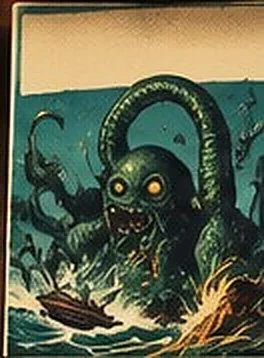
Every Wednesday, Rocketship Reader turns to the stranger shelf: weird fiction and horror, paired with the anxieties of the present. Games of chance, thawing ice, fungal threats, contamination, viral media and the feeling of being watched all have ancestors in these stories.
The oldest and strongest emotion of mankind is fear, and the oldest and strongest kind of fear is fear of the unknown.H. P. Lovecraft, Supernatural Horror in Literature (1927)
Why these stories matter
Weird Tales first reached newsstands with its March 1923 issue and gave a home to a kind of fiction no other magazine wanted: stories of cosmic dread, ancient survivals and the uncanny. Under editor Farnsworth Wright, from 1924 to 1940, it published H. P. Lovecraft, Robert E. Howard, Clark Ashton Smith, C. L. Moore, Robert Bloch and Seabury Quinn.
Lovecraft set out the tradition behind this work in his essay Supernatural Horror in Literature, first published in 1927, naming Arthur Machen, Algernon Blackwood, Lord Dunsany and M. R. James as its modern masters. When the magazines faded, admirers worked to preserve the stories: in 1939 August Derleth and Donald Wandrei founded Arkham House to publish Lovecraft in hardcover.
Weird fiction gives shape to fears that are hard to name. A story written about a cursed manuscript or a town by the sea can say more about our moment than a news report, because it shows how dread actually feels.
What to expect
- Stories chosen for atmosphere and ideas, not shock.
- The author, the original magazine or collection, and the year.
- The real-world fear the story still speaks to.